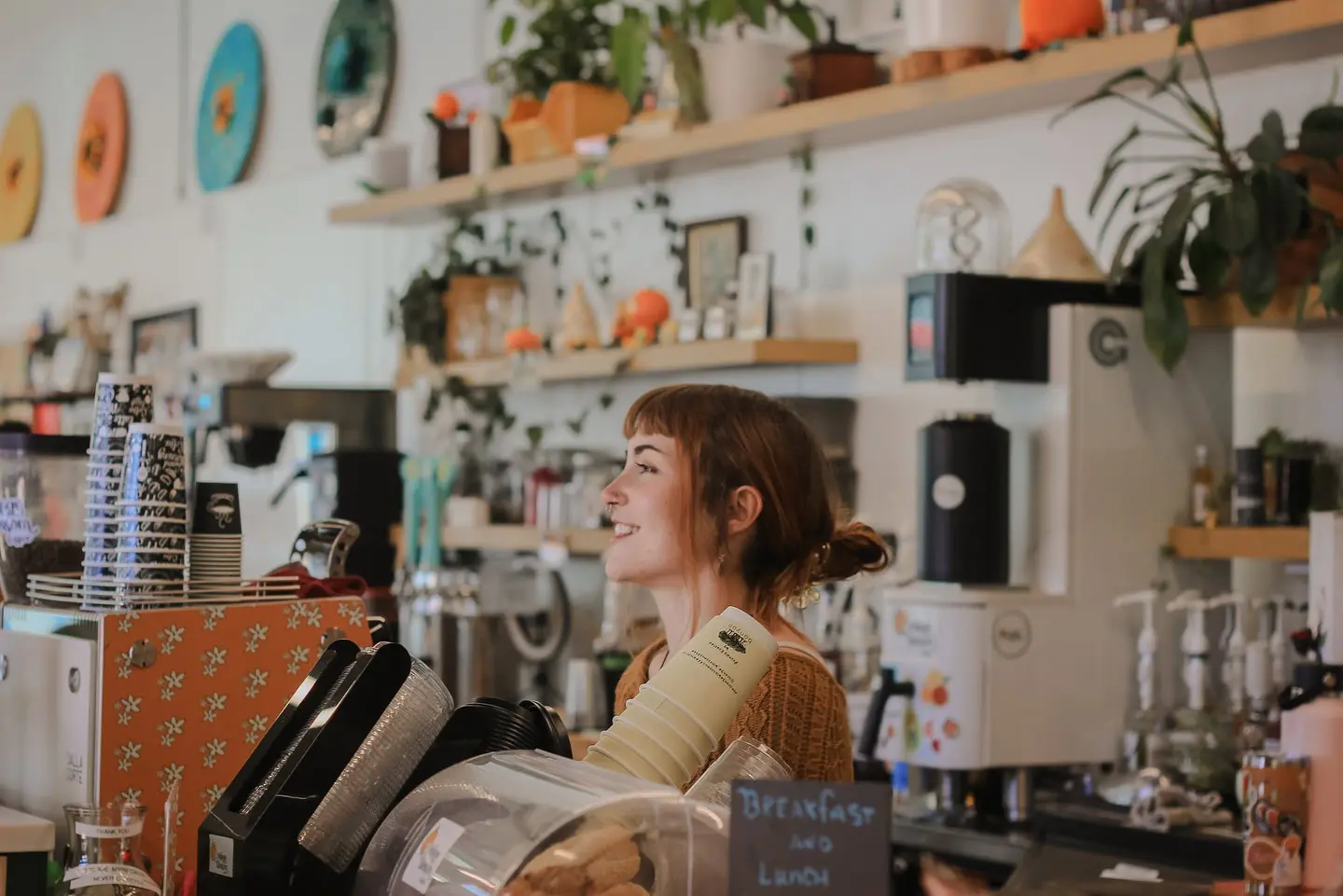
Local cafes carry a kind of charm that big chains can't match. In this guest post, Kaitlyn Lilly, Co-owner of Orange Blossom Coffee, shares her insights into how small coffee shops keep their doors open despite rising costs and tough competition.
When you step into a small, family-owned coffee shop, you get more than just a cup of coffee. You feel the cozy atmosphere, see friendly faces behind the counter, and often find a place that feels like home. For many people, local coffee shops are part of the community, a space to meet friends, study, or just take a break from the day.
The Heart of a Mom-and-Pop Coffee Shop
Unlike big chains, mom-and-pop coffee shops do not have huge budgets or nationwide suppliers. They run on thin margins, which means every cost increase matters. Their biggest strengths are their personal service, unique atmosphere, and ability to connect with customers on a local level.
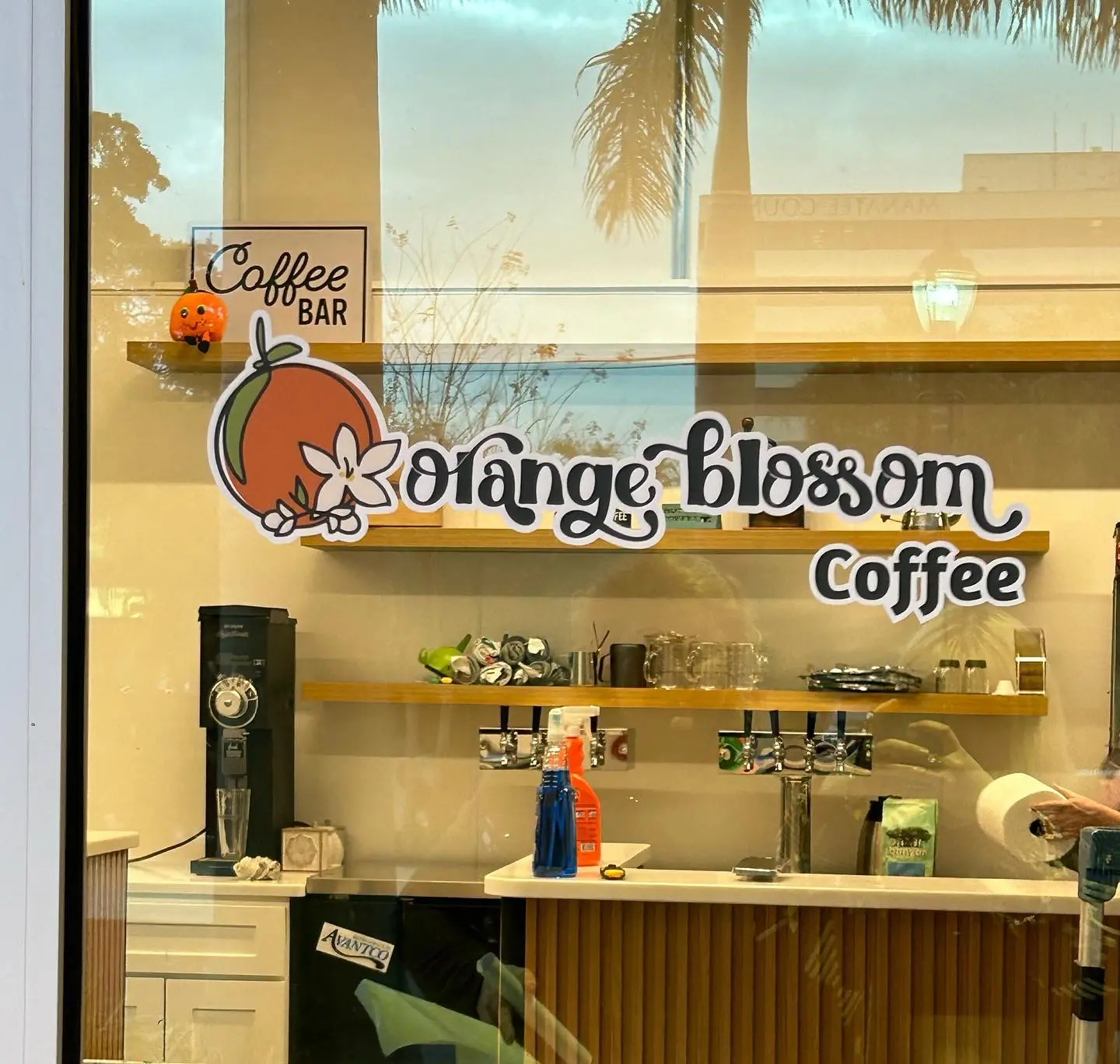
Shops like Orange Blossom Coffee, in downtown Bradenton, FL, opened in 2023, thrive by creating a warm environment and focusing on quality.
Coffee Bean Prices Since 2023
One of the biggest challenges for small shops since 2023 has been the price of coffee beans. Coffee is traded globally, and weather events, supply shortages, shipping costs, and tariffs have pushed prices up and down.
In 2023, prices spiked to some of the highest levels in years, and even now in 2025, green coffee beans often cost well over three dollars per pound. For shops that rely on specialty beans, the cost can be even higher.
What this means for small cafes is simple: the basic ingredient for their most important product is much more expensive than it was just a few years ago.
Supplies Beyond the Beans
It is not just the beans that have gone up in price. Everyday supplies like paper cups, lids, sleeves, stirrers, napkins, filters, and cleaning products have also climbed in cost - often by twenty percent or more since 2023.
A box of lids or a case of cups that used to be affordable now eats into profits. For a small business, these increases add up quickly because every cup of coffee served depends on these items.
How Local Shops Are Adapting
To keep up, mom-and-pop shops have had to get creative. At Orange Blossom, we exclusively use Banyan Coffee Co., locally roasting in Palmetto, Florida. We have only raised prices once since opening, and only on specialty drinks that contain several ingredients.
Some strategies small shops use to adapt and survive include:
Blending beans - mixing more affordable beans with higher-quality ones to balance taste and cost.
Menu changes - adding seasonal specials or charging a little extra for premium drinks.
Buying smarter - ordering in bulk with other local shops or negotiating with suppliers.
Focusing on atmosphere - making the shop itself a destination where people are willing to pay a little more for the experience.
At the same time, many loyal customers understand the pressures small businesses face. They may not mind paying an extra fifty cents for a latte if they know it supports a local family and helps keep their favorite shop alive.
Looking Forward
The coffee business has always had ups and downs, but the past two years have been especially challenging. Higher bean prices, higher supply costs, and rising rent and insurance make it hard for small shops to compete with larger chains. Yet the mom-and-pop cafe still has something special: personal service, a welcoming space, and a sense of community.
For shops like Orange Blossom Coffee, the challenge is to hold onto those strengths while managing higher costs. It is not an easy balance, but it is what makes small coffee shops so valuable to the neighborhoods they serve.
The next time you're craving a good cup of coffee, stop by Orange Blossom Coffee in downtown Bradenton and see what makes it special. Don't forget to mention you found them through Discover Bradenton. You can also follow them on Facebook and Instagram to keep up with specials, events, and the stories brewing behind the counter.
downtown